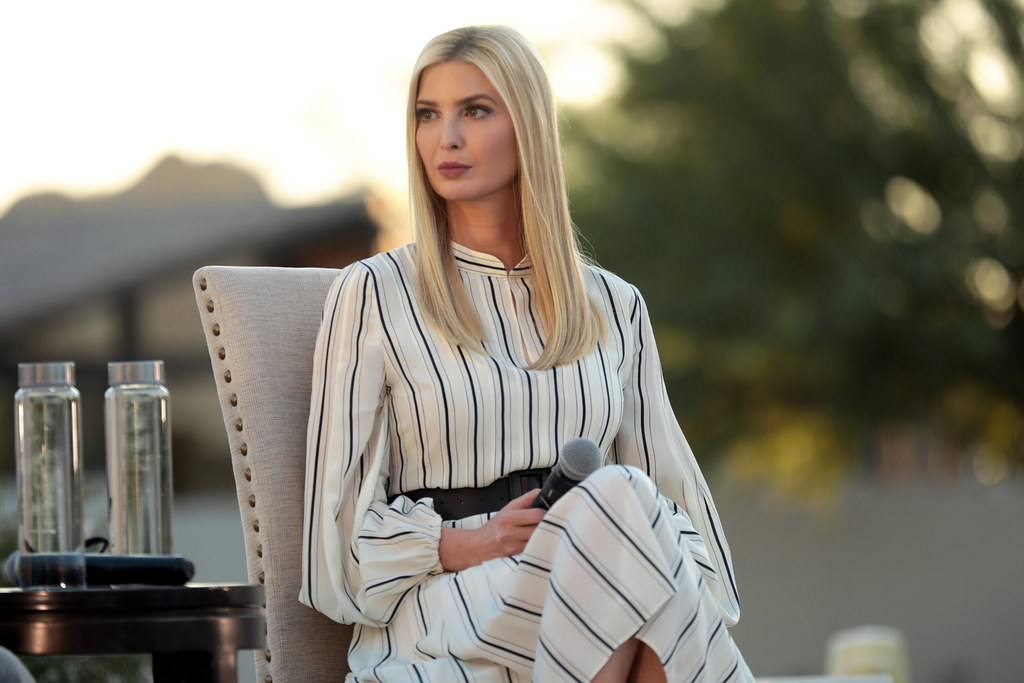
At one point, Ivanka Trump’s fashion brand was a quietly dominant force in American retail—an archetype of aspirational, affordable style for the modern professional woman. Launched in 2014, the brand was built around Ivanka’s personal image: polished, pragmatic femininity designed to suit the boardroom, the school run, and a cocktail hour in midtown Manhattan. It wasn’t luxury, but it didn’t pretend to be. The pieces—sleek sheath dresses, practical pumps, structured handbags—spoke to a generation of women navigating ambition with grace, and doing it all in under $200.
The rise of the Ivanka Trump brand
In its early years, the label thrived. Carried by major retailers including Nordstrom, Macy’s, and Bloomingdale’s, it tapped into a sweet spot in the market: professional womenswear that felt put-together without being stuffy, feminine without being frilly. Ivanka positioned herself as the face of the brand, but also as its customer—a working mother, entrepreneur, and self-styled lifestyle guru. There was an Instagram-perfect quality to the branding, bolstered by clean marketing, neutral tones, and an ethos of “women who work,” a tagline that would eventually become both a rallying cry and a point of controversy.
The brand’s success was no accident. It was backed by savvy licensing deals, widespread department store placement, and an efficient supply chain that allowed for high margins and fast restocks. By 2016, Ivanka Trump’s fashion and accessories were generating tens of millions of dollars in annual revenue. In many ways, it was a textbook American retail success story.
Politics, protest, and public scrutiny
Then came the presidency.
Donald Trump’s election in 2016 transformed the Ivanka Trump brand from a benign fashion label into a cultural lightning rod. Almost overnight, a line of pumps sold at DSW became politically charged. For some consumers, buying Ivanka Trump merchandise was a symbolic gesture of support. For many others, it became a line they refused to cross. The #GrabYourWallet campaign, which called for boycotts of companies affiliated with the Trump family, gained traction quickly. Retailers found themselves caught in the crossfire—and began quietly pulling her products from shelves, often citing declining sales as the reason.
Ivanka’s position as both a White House adviser and a brand figurehead created unprecedented ethical challenges. She stepped back from day-to-day operations in early 2017, but her name—and image—remained inseparable from the label. Controversies swirled over international trademark approvals in China, even as her father negotiated trade deals with Beijing. Investigations revealed troubling labor practices in factories overseas. What once felt like an empowering, women-first fashion mission now looked like a public relations liability.
The quiet shutdown
In July 2018, Ivanka Trump announced she would be closing the brand. “After 17 months in Washington, I do not know when or if I will ever return to the business,” she said at the time. “But I do know that my focus for the foreseeable future will be the work I am doing here in Washington.”
There was no liquidation sale, no dramatic finale—just a quiet exit from retail, and a brand that now exists only in archived e-commerce pages and clearance racks. Though it began as a savvy response to what modern women wanted to wear, Ivanka Trump’s fashion line ultimately couldn’t withstand the weight of politics, scrutiny, and its founder’s complicated public image.