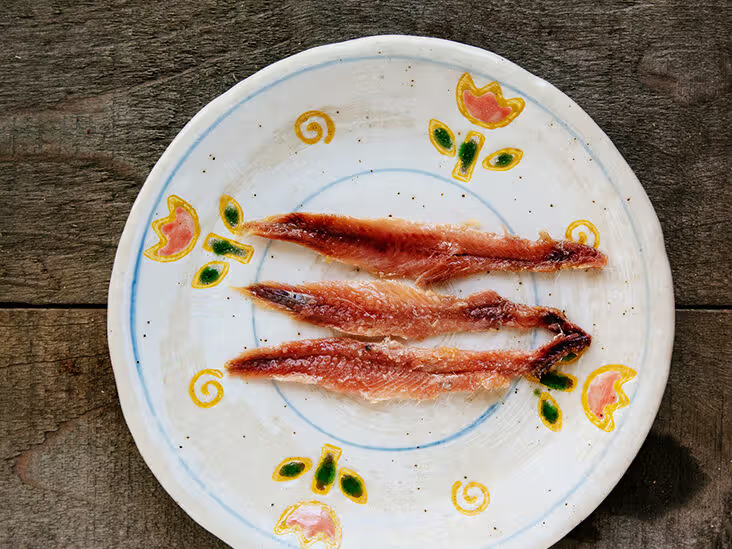
Once relegated to the back shelves of corner shops and the bottom of the pizza topping list, anchovies are being reappraised in luxury food spaces across Europe and the UK. Long dismissed as overly salty, fishy or inelegant, they are now appearing on refined tasting menus, at high-end wine bars, and in curated pantry collections. What was once seen as a basic or even vulgar ingredient is being elevated through provenance, presentation and a shift in culinary values.
From Tinned Afterthought to Ingredient of Note
Anchovies have historically carried a lowbrow image in the UK and much of Northern Europe. Their use was often confined to convenience cooking or polarising appearances on takeaways. The small tinned fillets were associated with outdated recipes, budget supermarket offerings, or aggressive flavour. In many British kitchens, they were hidden in sauces rather than featured.
But anchovies have long had a different standing in parts of Southern Europe, particularly in Italy, Spain and southern France, where they have been treated with care and context. Conservas culture in Spain, for instance, has always celebrated the quality of preserved seafood, anchovies included, based on harvest, region and packing oil. That appreciation is finally catching on more broadly.
Driven by a renewed interest in pantry essentials, sustainable seafood and umami-rich ingredients, anchovies have started to make a comeback. Artisanal producers from Cantabria to Sicily are exporting salt-cured and oil-packed anchovies to a growing number of chefs and specialty grocers. British and European chefs are now treating anchovies with the same seriousness once reserved for charcuterie or cheese, sourcing from single regions and using them sparingly, like seasoning.
Why They Are Now Considered Elegant
Several factors have reshaped the anchovy’s image. First, taste has shifted. The current appetite leans towards punchy, fermented, umami flavours. Anchovies offer all three. Their saltiness and intensity are no longer seen as drawbacks but as culinary assets, particularly in small, thoughtful quantities.
Second, the rise of natural wine bars and casual fine dining has created a space for snacks and small plates where anchovies shine. Rather than being buried in recipes, anchovies now appear solo, on buttered toast, with cultured cream, or skewered with olives. Their simplicity and directness have become part of the appeal.
Packaging and branding have also contributed. Modern tins are now art-directed and shelf-worthy, with graphic labels and elegant fonts. Tinned anchovies are no longer hidden in kitchen cupboards. They are displayed in hampers, offered as gifts, or featured in shopfronts in Soho and Hackney. British brands like The Tinned Fish Market and new European imports have helped reposition anchovies as a premium, story-led product.
Anchovies also align with broader trends around sustainability and nose-to-tail or fin-to-fin eating. They are small, abundant, low on the food chain and carry a lighter environmental footprint than most meat or large fish. Their resurgence is not just aesthetic. It fits the moment.
In upscale European food culture, the anchovy’s revival is a combination of culinary pragmatism and aesthetic recalibration. From pizza punchline to plated delicacy, anchovies are no longer an afterthought. They are a marker of taste.