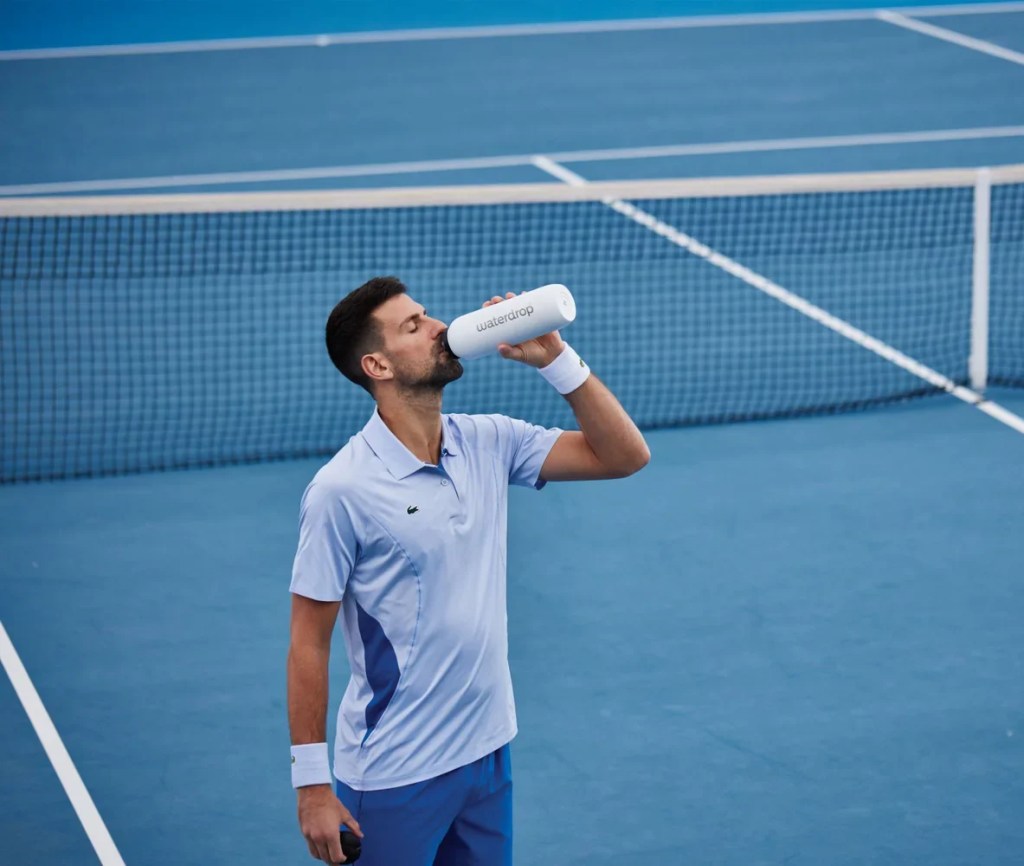
Novak Djokovic has publicly credited changes to his diet and lifestyle with improving his performance and extending his career. Beginning in 2010, Djokovic consulted Serbian nutritionist Dr. Igor Četojević, who suggested gluten intolerance could explain his frequent breathing difficulties and physical collapses during matches. Djokovic eliminated gluten, dairy, and refined sugar from his diet, a shift he described in his autobiography Serve to Win as “life-changing,” claiming it resolved his energy issues.
In interviews since, Djokovic has detailed his daily regimen, which includes stretching, yoga, meditation, and carefully structured meals. He practices intermittent fasting, often delaying his first meal until after training. He has said publicly that his breakfast typically includes plant-based foods such as fruit, oatmeal, seeds, and nuts. Djokovic has also said he drinks warm water with lemon first thing in the morning.
Recovery methods are another cornerstone of his approach. Djokovic has used hyperbaric oxygen therapy, which involves spending time in a pressurized chamber intended to increase oxygen absorption and potentially speed up recovery. He has described using hyperbaric chambers at his homes and during tournaments. While hyperbaric oxygen therapy is approved for certain medical uses like wound healing, evidence supporting its use for enhancing athletic recovery is limited, and some medical professionals have questioned its benefits for healthy individuals.
Mental training features prominently in Djokovic’s preparation. He has spoken extensively about meditation, visualization, and mindfulness practices, saying in interviews they help him manage stress and stay focused during matches. Djokovic also uses breathing exercises and has stated he sometimes spends over an hour on mental routines.
In terms of business ventures related to wellness, Djokovic opened a plant-based restaurant called Eqvita in Monaco in 2016, although it closed in 2018. He has previously discussed plans to develop nutrition-focused products but has not released a commercial product line as of 2025. Djokovic co-authored a book with health coach William Davis, Serve to Win, which outlines his dietary and training philosophies.
During the COVID-19 pandemic, Djokovic’s wellness views became a subject of controversy. He expressed skepticism about vaccines and organized the Adria Tour exhibition event in June 2020, which was canceled mid-way after several players, including Djokovic, tested positive for COVID-19. His statements and actions during that period drew criticism from health authorities and fellow players.
Djokovic has spoken about avoiding exposure to what he calls “negative energy” and limiting the use of electronic devices outside training and matches. He has also attributed improvements in his game to changes in sleep routines, including efforts to maintain regular sleep hours despite the demands of international travel.
On the court, Djokovic has won 24 Grand Slam singles titles, the most in men’s tennis history as of July 2025. He credits his wellness-focused approach as a key factor in his ability to remain competitive into his late 30s.
Djokovic’s practices have received mixed reactions. Some fellow players have expressed interest in aspects of his diet and mental routines, while others, including former coaches and sports scientists, have questioned the necessity or scientific basis of certain methods he uses.