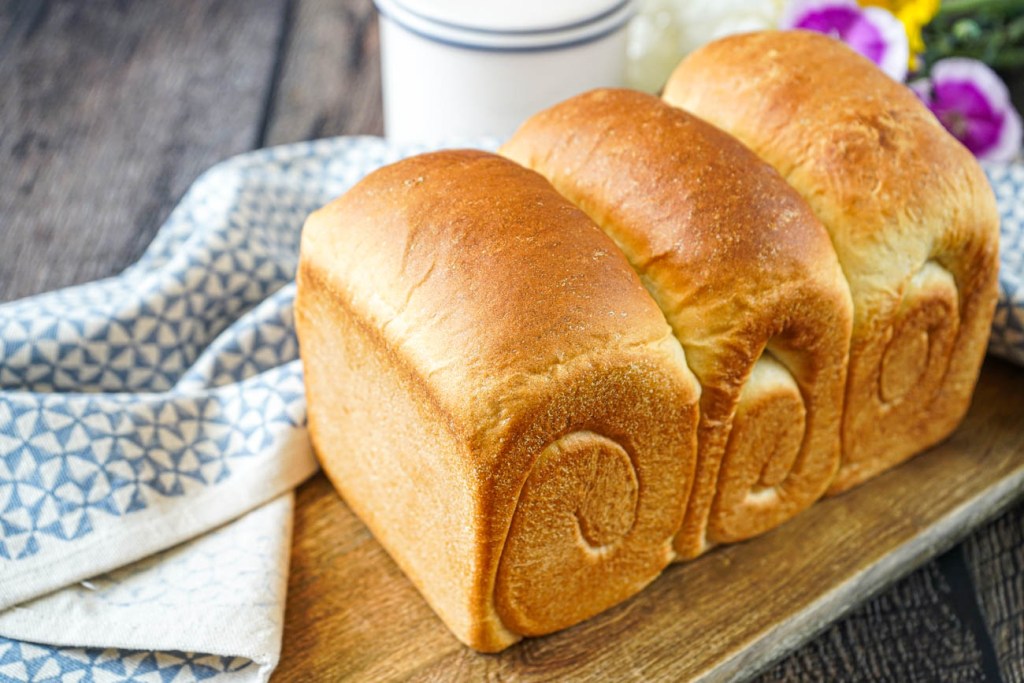
Soft, square and seemingly simple, Japanese shokupan is starting to make its mark on the European food scene. For years, it remained largely under the radar outside of Japan, familiar only to those who had travelled or lived in East Asia. Now, it is being adopted by boutique bakeries, high-end cafés and experimental chefs in cities such as London, Paris and Copenhagen. What was once considered a humble, everyday loaf is being redefined as a premium product.
The Bread That Feels Like a Pastry
Shokupan, often translated as “milk bread” or “Japanese white bread”, is made using a technique called the yudane method. Flour is mixed with hot water to create a starchy paste that locks in moisture, resulting in a texture that is both pillowy and elastic. The crust is thin, the crumb is fine, and the loaf slices into clean, geometric slabs that toast evenly and hold their shape. It is subtly sweet, buttery and remarkably soft. While it may resemble a standard white sandwich loaf at first glance, the taste and texture are far more refined.
In Japan, shokupan is often used for simple preparations: toast with butter, sandwiches filled with egg or fruit, or left plain to showcase its purity. Its appeal lies in the precision. There is no crusty irregularity or rustic pretence. Instead, it is controlled and consistent, delivering a clean eating experience that is deliberately minimalist. This restraint is part of what appeals to European chefs and bakers seeking to offer something both familiar and unexpected.
From Niche Import to Culinary Statement
The growing visibility of shokupan in Europe is linked to several shifts. First is the influence of Japan’s precision-driven food culture, which continues to shape the tastes of diners who seek detail, craft and aesthetic clarity. Japanese patisserie has already taken hold in Europe, with matcha financiers, mochi doughnuts and mille crepes now relatively common. Shokupan is a natural next step in this quiet takeover of refined Japanese staples.
Second is the backlash against overly complex or heavily processed bread products. In an era where sourdough and wild fermentation once dominated the bakery counter, there is now a movement toward clean, reliable formats that focus on texture and experience rather than rustic identity. Shokupan, with its soft uniformity, offers a comforting counterpoint.
Boutique bakeries across London and Paris have begun to offer loaves weekly, often selling out within hours. Pop-up cafés have featured Japanese-style fruit sandwiches with seasonal berries and cream, while egg salad sandos have become a staple at Japanese-influenced delis. In Copenhagen and Berlin, design-conscious cafés have started incorporating it into minimalist breakfast sets.
The demand is likely to grow. As diners look for quiet luxury and sensory satisfaction over visual spectacle, shokupan offers both comfort and culinary precision. Its rise marks not just the arrival of a new bread, but a shift in values: from crusty to controlled, from rustic to refined.